


THEOGONY
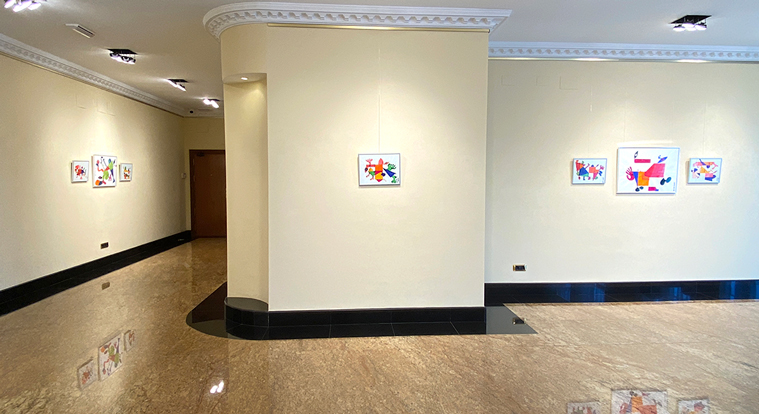
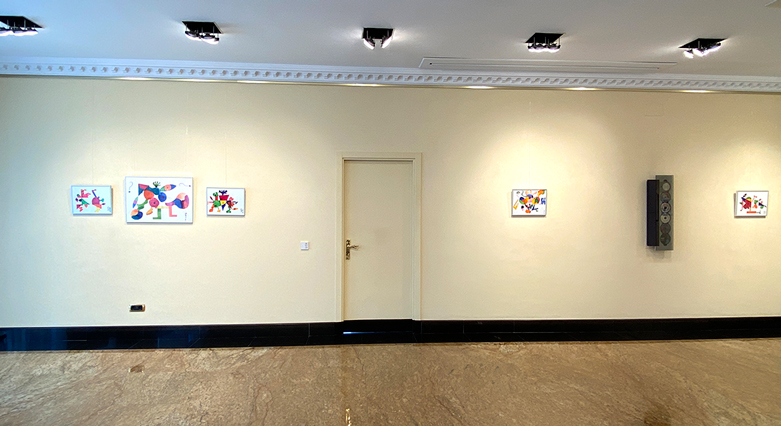
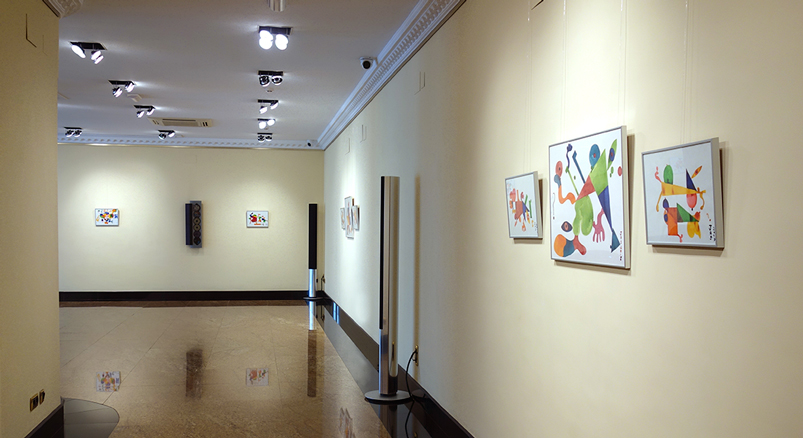
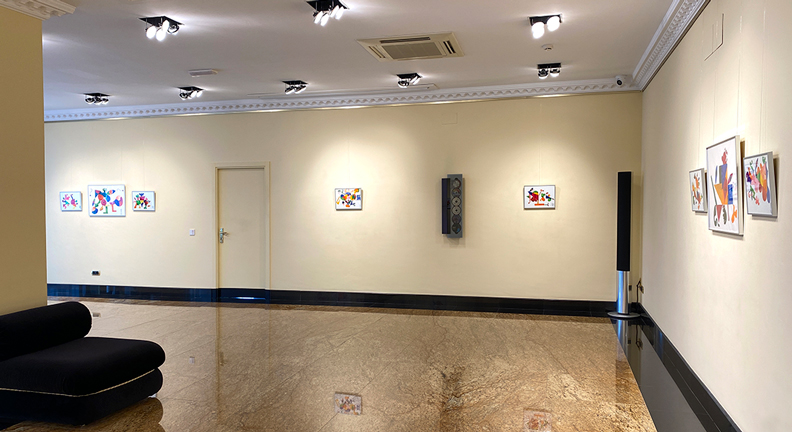
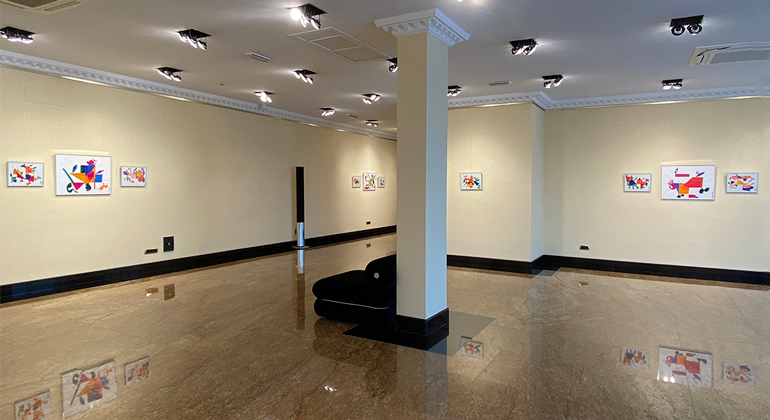
Solo exhibition of Julie Alegre artist, curated by Conchi Alvarez.
The Theogony is the magnum opus of Hesiod, a Hellenic poet of the 8th-7th BC century.
An ancient Greek poem, the first in attempting to provide a divine explanation to the origins of the Cosmos through the genealogies of the Greek gods, with a long string of names and seeking inspiration from traditional myths.
Hesiod recounts that he was visited by the Muses on the slopes of Mount Helicon, and that they entrusted him with a prophetic mission, the story of the origin or the genealogy of the gods with the ultimate goal of illustrating that the key to the Universe is in the triumph of good over evil.
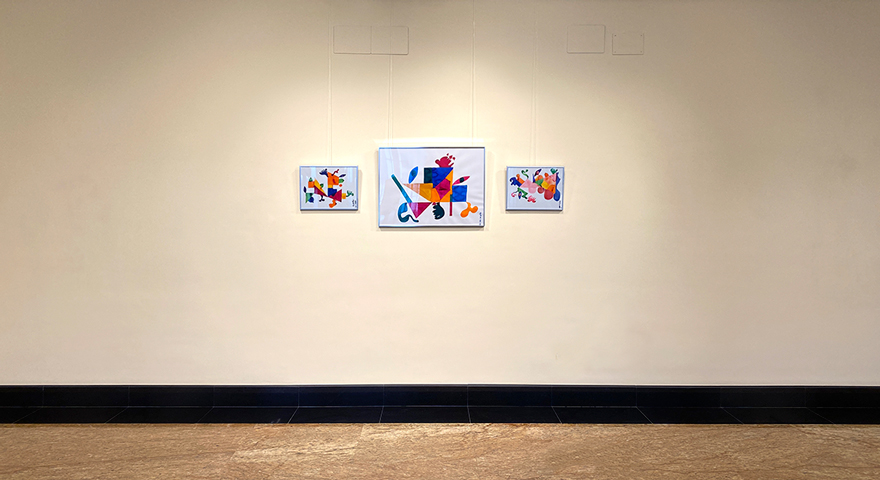
Julie’s artwork suggests that, perhaps, the Muses visited her to carry out a mission that she conveys through her inks on paper. But Julie’s theogony is not as presumptuous as Hesiod’s. She does not seek answers about the beginnings of the Cosmos, given that today we have a huge number of theories about it, although we have yet to discover an answer to these colossal questions. Excessive information and much confusion.
This is why Julie creates her own theogony searching for her own cosmos. For that purpose, she draws on to the overwhelming amount of knowledge that is accumulated and that has imploded on the inside, fragmenting everything into puzzle pieces that must be rebuilt in order to get answers.
Hesiod found the solution within the myths. Julie, on the other hand, explores the beliefs of others, in the deities of ancient villages, into the naivety and innocence of her childhood, in order to find oneself. Hesiod sought a religious explanation, Julie was looking for clarity regarding who she was, investigating within her experiences and memories, convinced that “all time spent was always better” and in the certainty that finding her own theogony will clear up those doubts and matters that torment her, preventing her from living a full life.
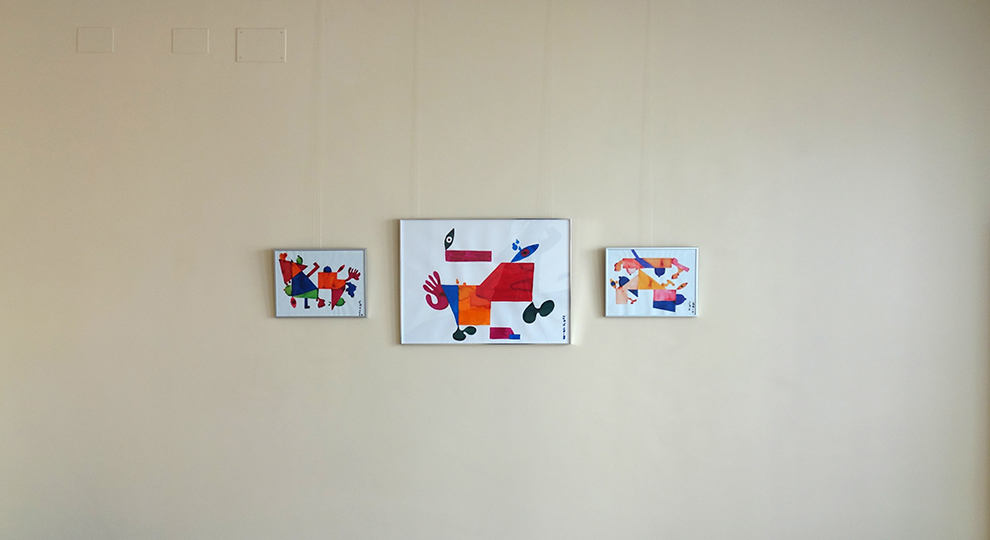
Feldman asserts that the Greek poet plays with ambiguity and association instead of direct exposure. Julie as well falls under this trait, using ambiguous shapes and signs alongside other recognizable ones. Sexual symbols thrive and the perceived predominance of the female figure is exacerbated, as you will find in the rest of her art work.
The shapes and colour of Julie’s paintings, are reminiscent of her beloved Matisse and his principle that a painting must possess real power in order to generate light, and that the pieces must reach a perfect balance between shape and meaning, image and content. And this is achieved, partly, by travelling, because it’s a way of “cleansing one’s eyes”. This is a sacred mandate for Julie, which is why her life is a continuous journey to those places that remind her and reassert her happy childhood … her lost paradise.

JULIE ALEGRE

BEJAÏA
Ink on paper
30 x 40 cm

DJANET
Ink on paper
30 x 40 cm

TABARKA
Ink on paper
30 x 40 cm

TAGHIT
Ink on paper
30 x 40 cm